If you’re taking a GLP-1 medication like Ozempic, Wegovy, or Saxenda, the best supplements to take are usually the ones that help protect muscle, fill nutrient gaps, support hydration, and reduce common side effects like fatigue or constipation. For many people, that means prioritizing protein, a multivitamin, magnesium, electrolytes, and omega-3s. GLP-1 medications have changed the conversation around weight loss …
Benefits of Butyrate: Why This Gut-Healing Molecule Matters for Women’s Health
Fiber might get all the attention when it comes to gut health, but it’s actually just the fuel that helps your gut bacteria produce one of the body’s most powerful anti-inflammatory molecules: butyrate. This short-chain fatty acid butyrate strengthens your gut lining, supports immune health, and even influences your weight. Yet modern diets, stress, and antibiotics leave many women deficient. …
Foods High in Polyphenols: Polyphenol-Rich Foods List, Health Benefits, and Best Sources
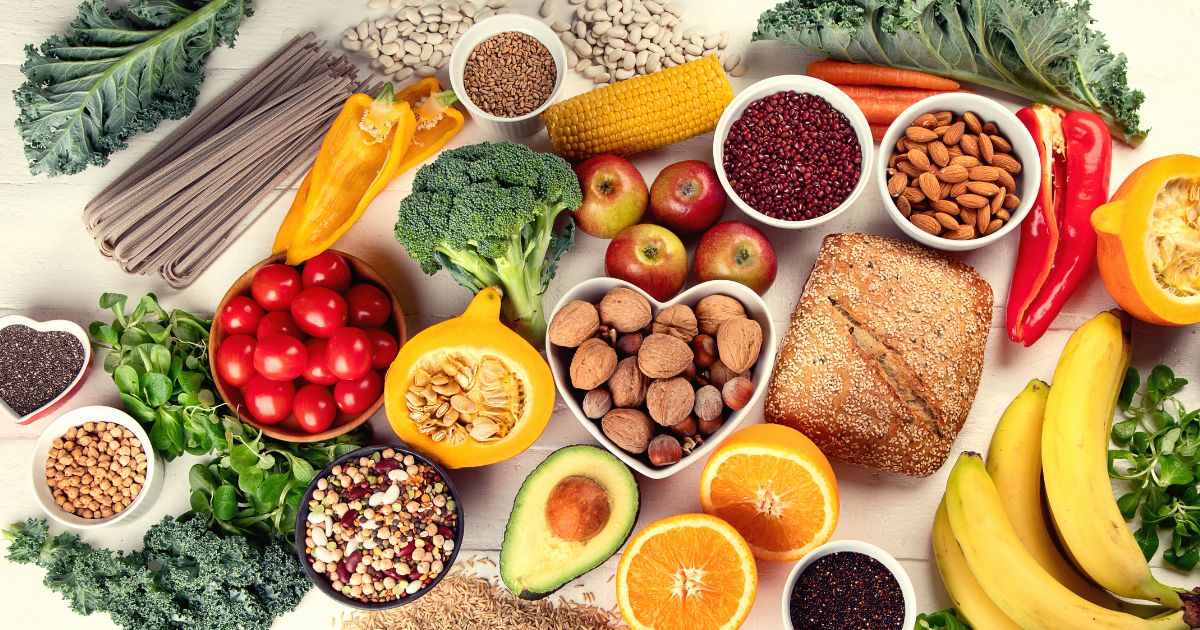
Foods high in polyphenols include berries, grapes, dark chocolate, coffee, tea, and spices like turmeric and cloves. These plant compounds are antioxidants that fight inflammation, balance hormones, and support heart, brain, and gut health. But polyphenols do more than just protect your cells. For women navigating hormone shifts in their 30s, 40s, and 50s, they offer support for metabolism, inflammation, …
Histamine Intolerance: What It Is & What to Do About It
Have you ever experienced headaches, skin rashes, or digestive issues after eating certain foods? Or maybe you’ve noticed that some days you feel more flushed or anxious than usual, especially after consuming alcohol, spicy foods, or other common “triggers” like cured meats and cheeses. If so, you could be dealing with histamine intolerance, a common condition that affects women’s health …
Does Fiber Help You Lose Weight?
The average woman in the United States is getting an average of 12 grams of fiber daily, which is far less than the recommended 25 grams. In addition to supporting a healthy gut microbiome and estrogen levels, fiber slows the absorption of sugar, stabilizes insulin, improves inflammation, and reduces cravings. If you’re on a mission to shed unwanted pounds and …
How Long Does It Take Probiotics to Work?
The question of how long it takes probiotics to work depends on the desired effect. Typically, digestive system improvements are seen in as little as 2-3 weeks, while shifts in hormones, metabolism, and body composition may require 3 months of consistent supplementation. In acute situations, results may be noticeable within a few days. In this article we’ll discuss the typical …
20 Best Prebiotics for Gut Health and Hormonal Balance
Probiotics are live microorganisms that offer numerous health benefits for gut function, immune defenses, hormone balance, and nutrient absorption — and prebiotics serve as the “fuel” for these beneficial bacteria, fostering their growth and activity within the gut. Incorporating the best prebiotics into your routine is a key element in creating optimal gut health and hormones. Although prebiotics are often …
The Best Probiotic for Women’s Health, and How to Choose
Researchers are discovering more and more every year that links our overall health to our gut microbiome. A balanced and diverse gut is key to healthy digestion, immunity, and more. It’s even more important from the lens of women’s health, as your gut biome is linked to vaginal health, hormone balance, and so much more. One of the best ways …
Can Menstrual Cycles Affect IBS? Yes. Here’s How to Feel Better
If you’ve noticed your irritable bowel syndrome (IBS) symptoms get worse around your period, you aren’t alone. Even women without IBS1 can experience gastrointestinal discomfort during their menstrual cycle. So if you suffer from IBS, things can get even worse during your period. Bloating, cramping, diarrhea (hello period poops) are all symptoms of IBS in women that can be exacerbated …
- Page 1 of 2
- 1
- 2